For those who don't know, I apologize for not having any episodes of the series for some time. I had cataract surgery in January which made it difficult for me to see for a few months. Before that I had hoped to have two more episodes up, but one artist pulled out at the last minute, and two others wound up not being available. Once my vision was functional, it was time for spring season of world music conferences. This year I was invited to the Atlantic Music Conference in Cabo Verde and then two weeks later I was again at Jazzahead in Bremen. Now I'm headed back to Montreal to cover the summer festivals.
But do not fret, I fully intend to start up again in the fall, and if half the artists who have shown an interest in doing episodes follow through, I think it's going to be a very interesting season.
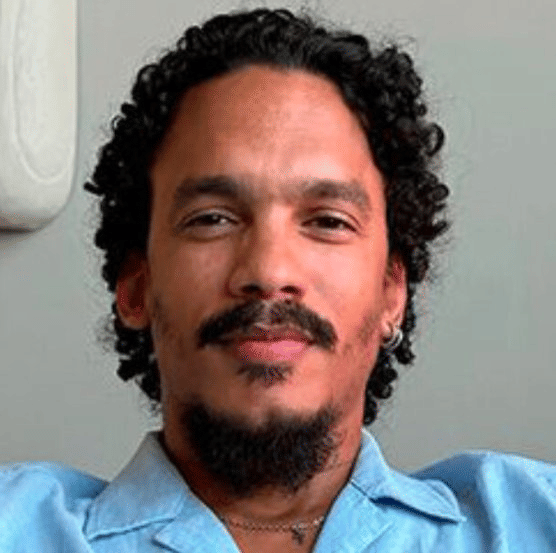
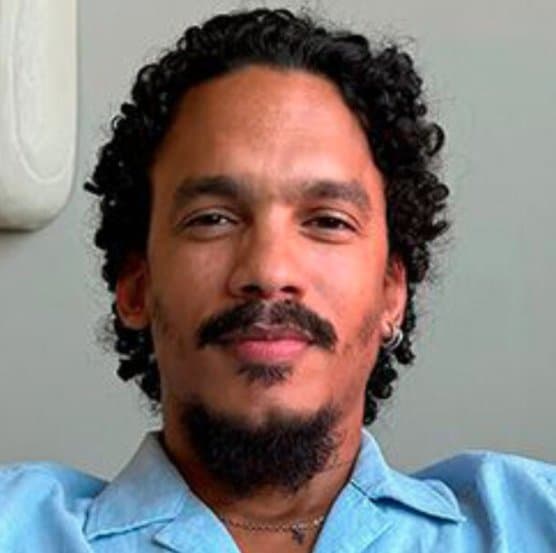
Meanwhile, to keep you amused, I will post some articles I've written for Afropop Worldwide you can read while enjoying your summer. First up is Cabo Verdean musician Alberto Koenig. While Alberto doesn't completely fit into the Hyphenated wheelhouse, he is an artist who had to leave his home to find his musical identity and then bring it back to Cabo Verde.
Here is an excerpt of the interview, and you can read the whole piece here: https://www.afropop.org/articles/alberto-koenig-you-cant-become-if-you-dont-go
Since we were on the subject of the culture of Cape Verde, we asked Koenig to speak to us about the elusive emotion of sodade (also known in Portugal as saudade). There wasn't a day in Praia that we didn't hear someone singing the song of that name which Cesariá Evora made internationally famous. But as the days went by, we began to consider that this feeling of longing, first a Portuguese thing, was passed on to the Cape Verdeans and there was something sad and almost insidious to that. For as Koenig noted, what's inside of them was ripped away – their African identity – which was lost but they still long for through this sodade.
“Yes, this is exactly true,” he answers. “But that's also become an eternal source of inspiration because you're always trying to seek answers. It was inherited through colonization. Let me just say that you, as an outsider, you really have had an inside observation here. Because it is almost a paradox. Even though that's the origin, it's also the destiny. Because Cape Verde is a country of immigrants. There are three times more Cape Verdeans outside of Cape Verde than in Cape Verde. So we not only inherited sodade, we keep on producing it. It seems like an instinct. Like the turtle who is born in the sand, but knows that it must go to the sea. We are like turtles in that sense. We are born here in the land, but somehow we look at that big blue thing and it's like, I have to go. And one of our greatest artists, Eugenio Tavares, has a song, “Hora di Bai,” and that song has a double meaning. In it he says, “If we don't go, we can't come back.” But it also means, “You can't become, if you don't go.”
“I have a song called 'Ta Due,' which touches on that. Because, like we said, it's a paradox – how is it that to you have to move out to become? Usually you want improve yourself where you are, but it seems like it's in our DNA to cross the sea.”